
1. The joy of audio
Section outline
-
-

The many faces of radio
Five community radio reporters
-
Seeing it on the radio
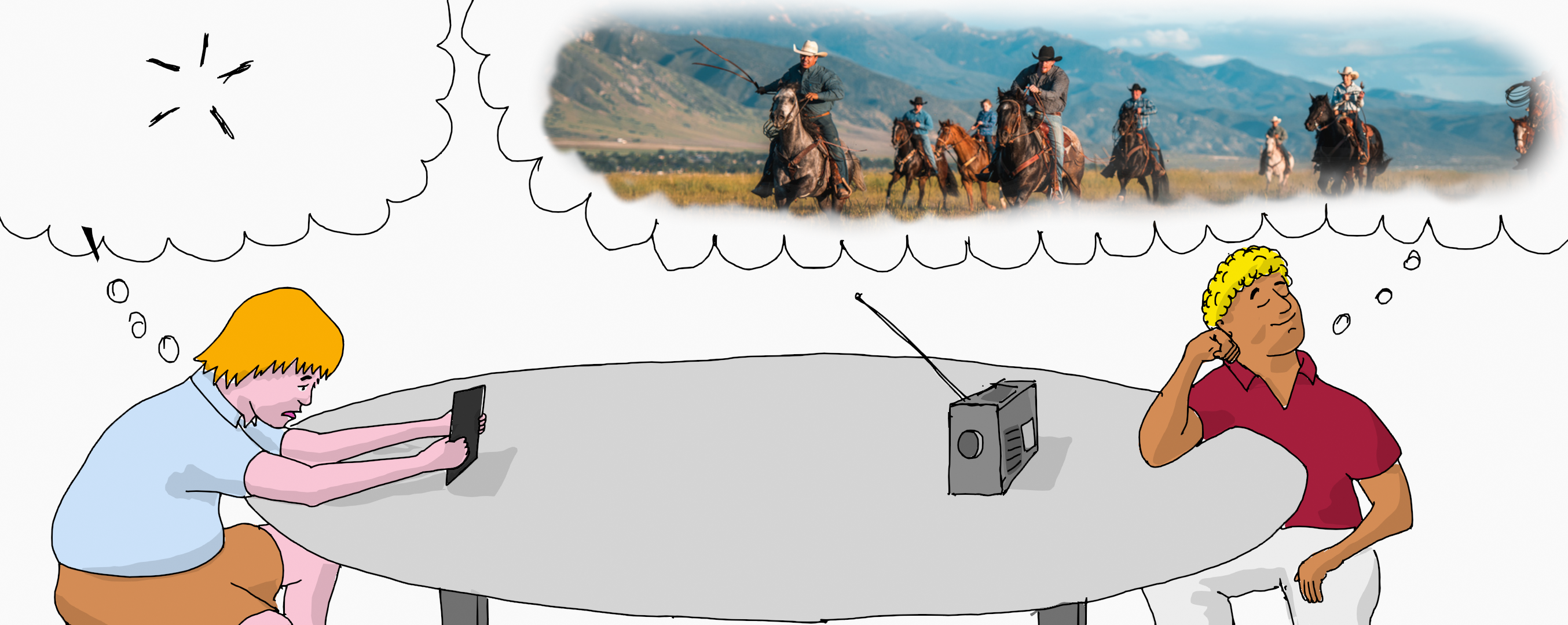
Although radio has no pictures, it is also often called the most visual of media. This is because radio listeners, unlike TV coach potatoes and cell phone doom scrollers, create images in their head based on the descriptions and the ambient sound they hear.
Radio's imaginative spectacle presents a powerful dynamic which is rarely prioritized by alternative electronic media. By giving the listener the opportunity to create an individual filmic narrative and experience through the imaginative spectacle the listener becomes an active participant and "dramaturgist" in the process of communication and listening. This participation is physical, intellectual and emotional.
Tim Crook, Radio Drama: Theory and Practice (2001)
One study found that children who listen to radio were able to perform more imaginative tasks, such as inventing new endings to stories and writing alternative dialogue, than children exposed only to television. The researchers concluded that their findings supported Marshall McLuhan's famous dictum that "the medium is the message."
-
Mobile microphones
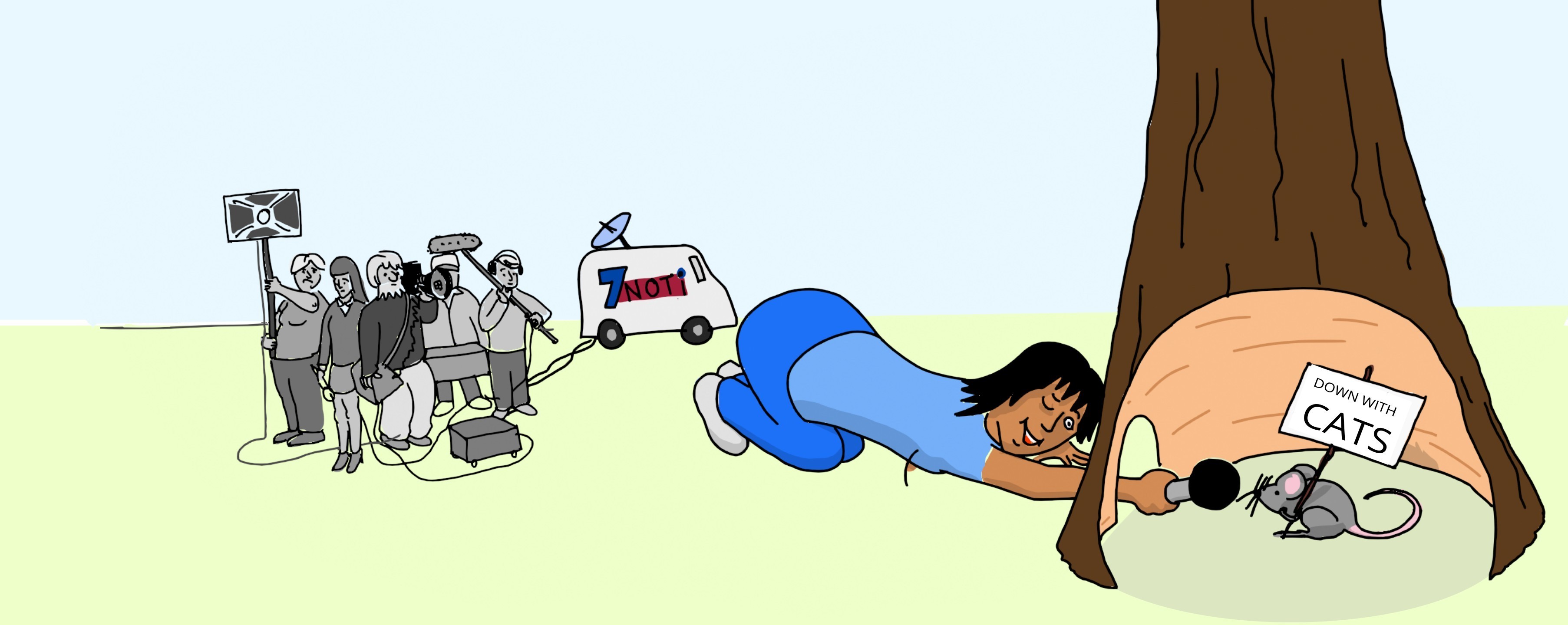
From a reporter's point of view, radio is more active as well. Producing high-quality video requires bulky equipment and carefully choreographed scenes. In the presence of a camera, natural behaviour goes out the window. A microphone, however, is unobstrusive; it can capture natural conversations as they happen, record from the thick of events unfolding and go places a camera can't... no matter how hard how those places are to reach.
-

The future of community radio
Jo Coleman