What an interview is and isn't
A common misconception about interviews is that they exist primarily to gather information. This may be true of informational or background interviews where you talk to someone during your research phase. But once the recorder is running, you should already know most of what an interviewee will tell you. Your questions are prompts to get them to say it. In fact, an interview, especially a radio interview, is as much about how people say something as what they say. In this sense, interviews:
- allow people to recount an event "in their own words"
- provide context and nuance to an issue
- create a human dimension to an otherwise abstract topic
- hold public figures accountable
- give public figures, and others, a chance to defend their position
- foster a sense of connection with people in the news and the community
- generate excitement, interest, curiosity, appreciation for a subject
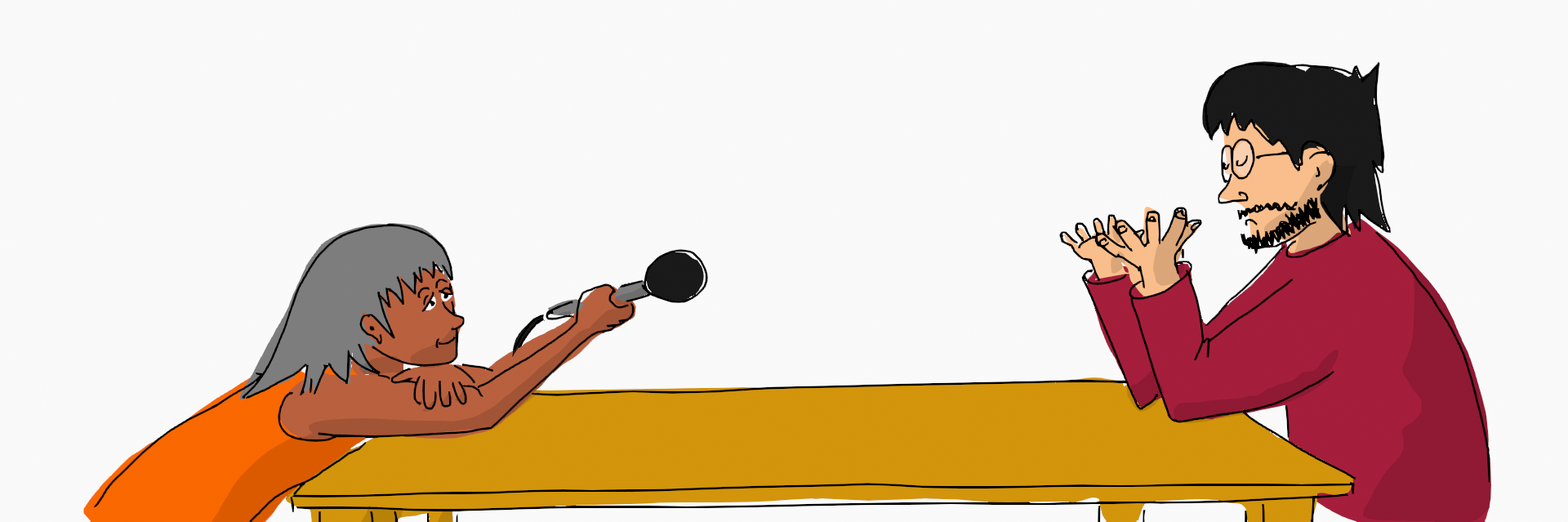
Good radio interviews should feel like a conversation and the listener should feel like they are on a journey of discovery alongside the interviewer. The interview doesn't have to be friendly (and should never be gushing) but it should sound natural, human and dynamic, with a give, a take, a flow and a sense of progression.
Which brings us to a second misconception about interviews. Although they sound like a conversation, they cannot be conducted like one. Unlike your conversations of every day, which are almost always spontaneous, informal and unplanned, a good interview requires meticulous preparation and research beforehand. During the interview, the interviewer works hard to keep the interviewee on track, to generate energy and interest, maintain rapport, and guide the journey of discovery. If the planning falls apart -- and it often does -- the interviewer must think on their feet to plot a new journey. A good interview may sound effortless, but it can be exhausting work.